Why knitting needs non-square cells
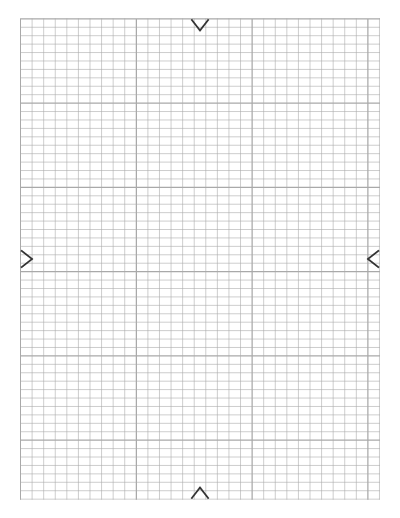
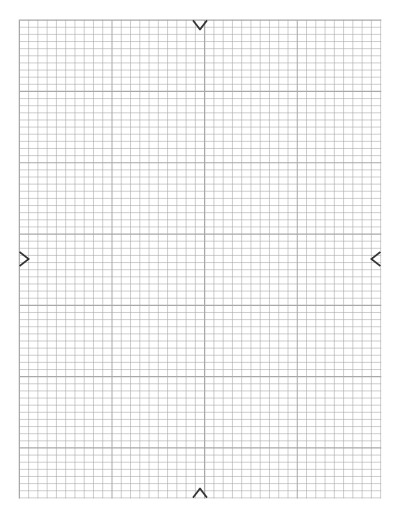
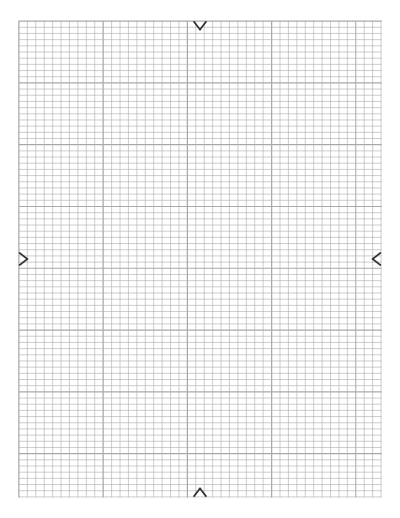
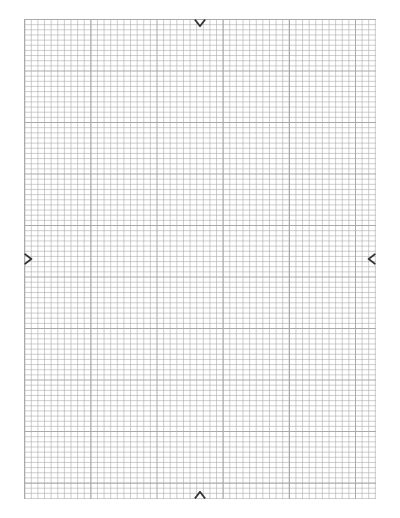
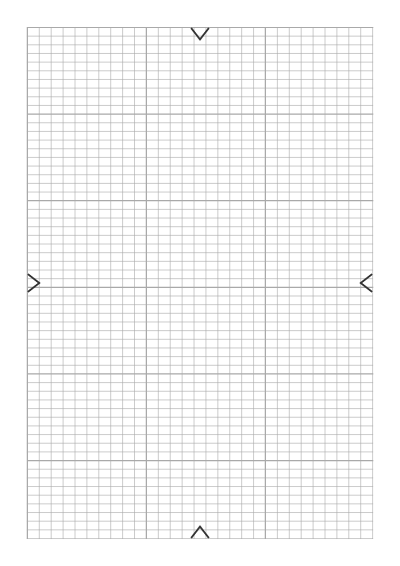
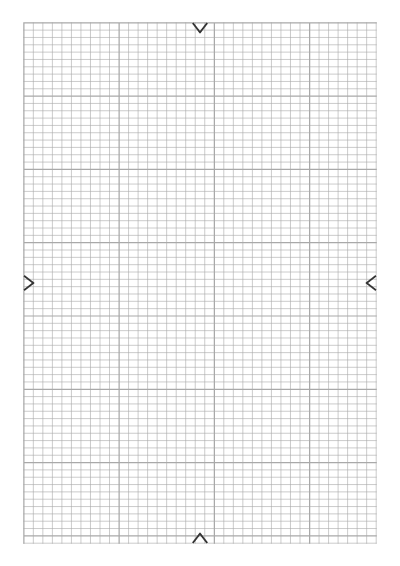
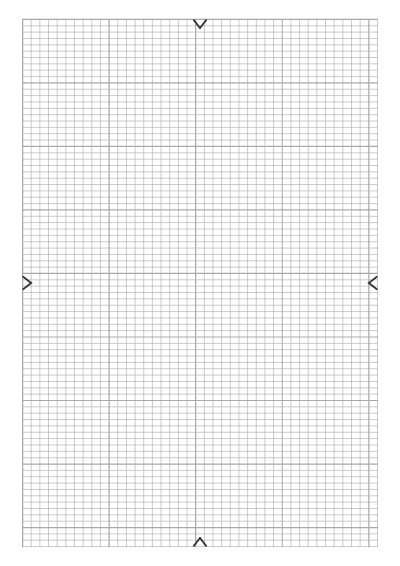
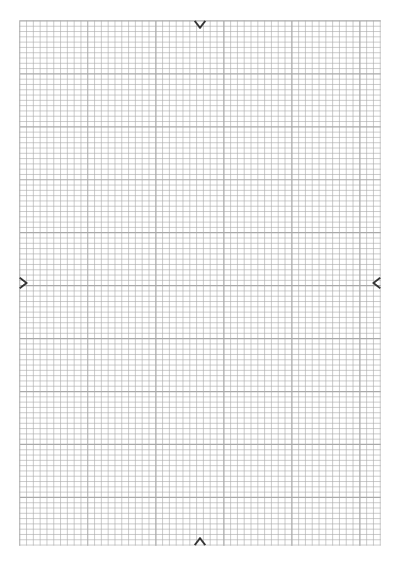
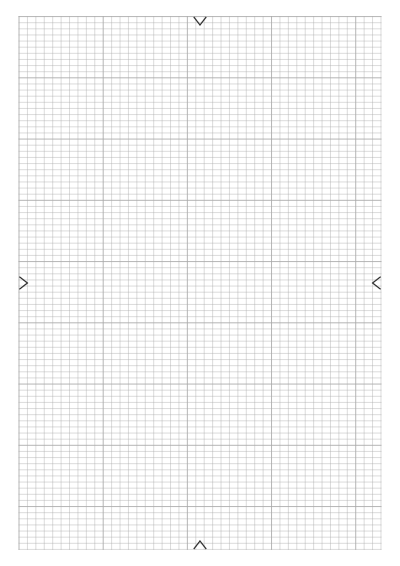
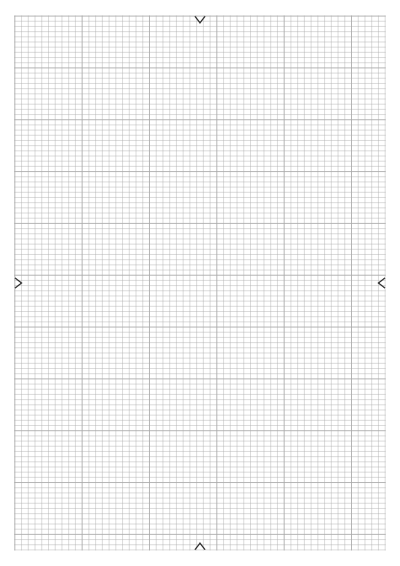
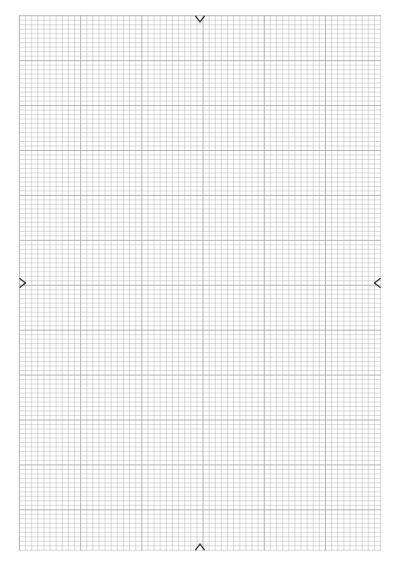
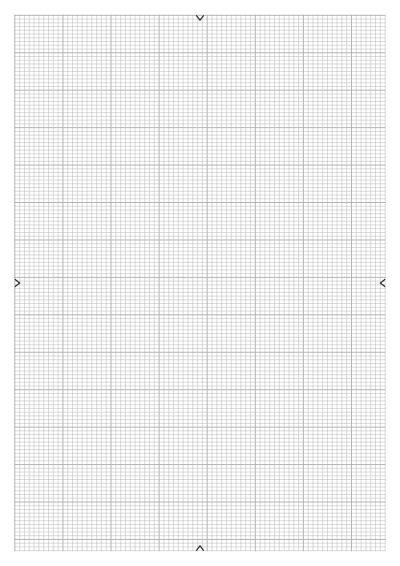
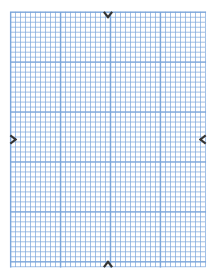
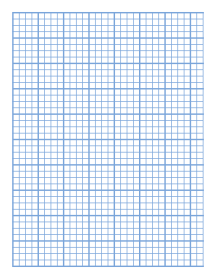
A knitted stitch is rarely square. In most stockinette fabric a stitch is wider than it is tall, so a design charted on ordinary square graph paper comes out stretched: a round motif turns into an upright oval once knitted. This knitting graph paper avoids that by drawing each cell in the same proportions as one of your stitches. One cell is one stitch, so the chart on paper looks like the fabric will.
How to set your gauge
New to charts? Read how to read a knitting chart first; it also shows how to work out stitch counts from your gauge.
Gauge is the number of stitches and rows in a measured width, usually 10 cm or 4 inches. Knit a swatch, wash and dry it the way you will treat the finished piece, lay it flat and count the stitches and rows across 10 cm. Then pick the nearest option under Gauge, written as stitches × rows (for example 20 × 26), or open More options and enter your own numbers. Switch to per 4 in if your pattern gives gauge in inches. The grid size updates at once, and the caption under the sheet shows what you chose.
Charting colorwork and stitch patterns
- One square per stitch: colour in squares for Fair Isle or intarsia motifs, or add symbols for knit, purl and cables.
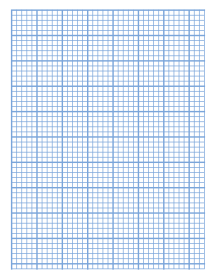
- Darker line every 10: bold lines make it easy to count large areas. Change the spacing if you prefer every 5 stitches.
- Centre marks: arrows on all four edges mark the middle column and row, so you can start a symmetrical motif in the centre. Untick Centre marks if you want a plain grid.
Chart rows are read from the bottom up. When knitting flat, right-side rows are read right to left and wrong-side rows left to right, and many patterns say how they want charts read, so follow your pattern.
Printing at true size
Your gauge only matches the printed cells if the page prints at 100% or Actual size, never “Fit to page”. See how to print at actual size for each browser. If the cells come out too small for pencil work, choose a gauge with fewer stitches per 10 cm and similar proportions: the cells get larger, and the chart stays easy to read. For crossed stitches on cloth instead of knitted fabric, see cross stitch graph paper.
Knitting graph paper or plain graph paper?
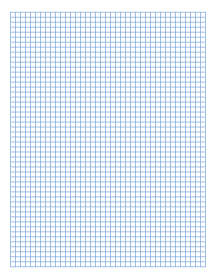
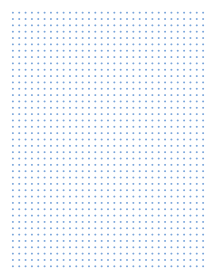
If you only need a rough layout, ordinary 5 mm graph paper works. Switch to knitting graph paper when proportions matter: lettering, pictures, and any motif that has to look right when worn. For loose sketches without lines, try dot grid paper.
Frequently asked questions
What is the ratio of a knit stitch?
It depends on your yarn, needles and technique, so there is no single answer. Many knitters get more stitches than rows over the same distance, which makes each stitch wider than tall. Measure your own swatch and enter the numbers.
Why do my charted motifs look stretched?
Square graph paper treats every stitch as a square. A knitted stitch is usually shorter than it is wide, so a motif drawn on squares looks too tall when knitted. Charting on cells shaped like your stitches shows the true proportions.
Can I use this for crochet or cross stitch?
For cross stitch, which is worked on square holes in fabric, use cross stitch graph paper. For crochet, the cell shape depends on the stitch, so measure your gauge the same way and set it here.
Do I need to enter the gauge exactly?
Not to the decimal. Round to the nearest half stitch or row. Small errors only change the proportions slightly, and swatches themselves vary.